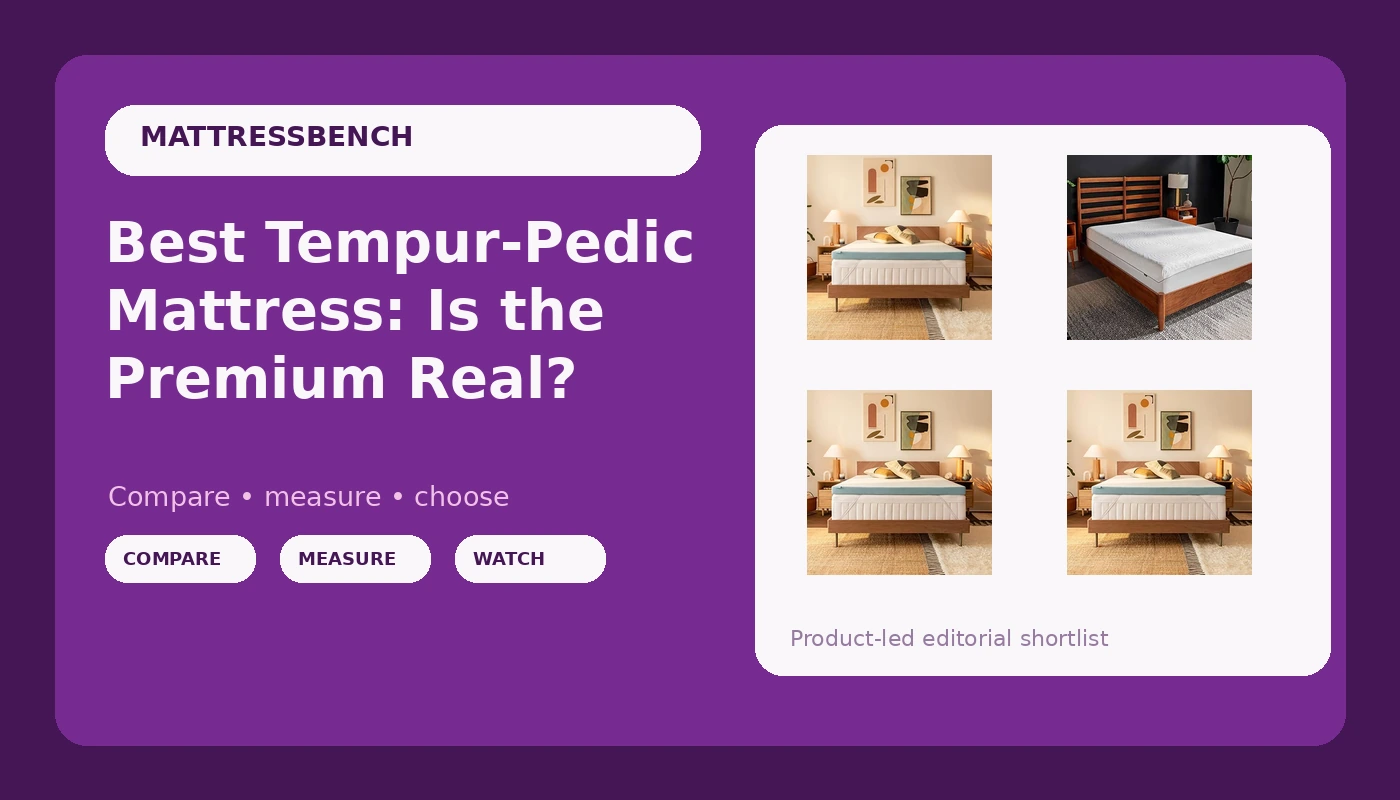
I have a confession to make. For years, I told patients that spending four figures on a Tempur-Pedic was like buying a luxury car for the school run. It works, sure, but you're paying for the badge. Then I spent two months sleeping on the TEMPUR-Adapt topper, and I had to eat my words.
The premium is real, but it's not the whole story. At ~$439 for a Queen topper, you're getting 80% of the full mattress experience for about 20% of the price.
That math is hard to argue with. But if you're expecting the topper to transform a ~$439 Amazon special into a ~$439 Tempur-Cloud, you're going to be disappointed.
It doesn't work that way.
Tempur-Pedic TEMPUR-Adapt + Cooling 3-Inch Queen Mattress Topper Medium Luxury Premium Foam, Washable Cover, Medium Cooling Topper,White
Best pressure relief per dollar I've tested; the cooling layer actually works
Visit on Amazon →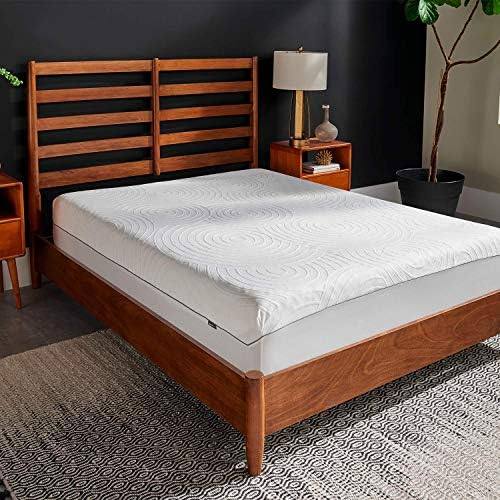
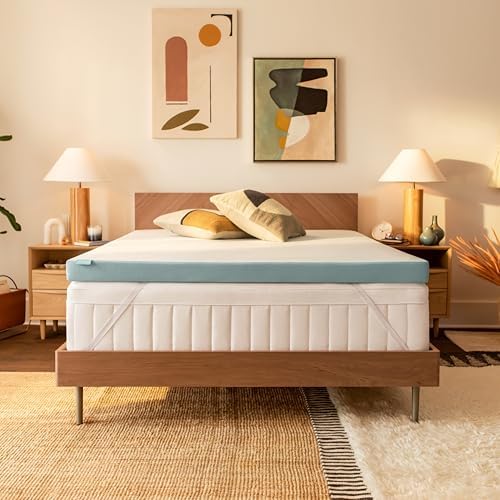
Tempur-Pedic TEMPUR-Protect Waterproof Mattress Protector, King, White
Sleep soundly on a mattress protected with TEMPUR-Pedic quality innovation. The TEMPUR-Protect mattress protector is a lightweight, waterproof cover that protects against spills and stains. Its Therma
Visit on Amazon →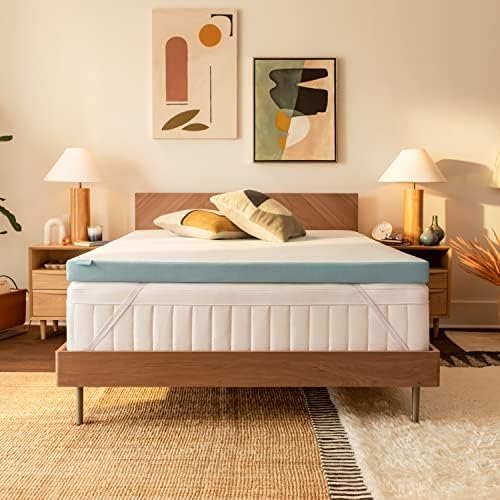
Tempur-Pedic TEMPUR-Adapt + Cooling 3-Inch Full Mattress Topper Medium Luxury Premium Foam, Washable Cover, Medium Cooling Topper,white
Same great feel, saves you Check price over the Queen
Visit on Amazon →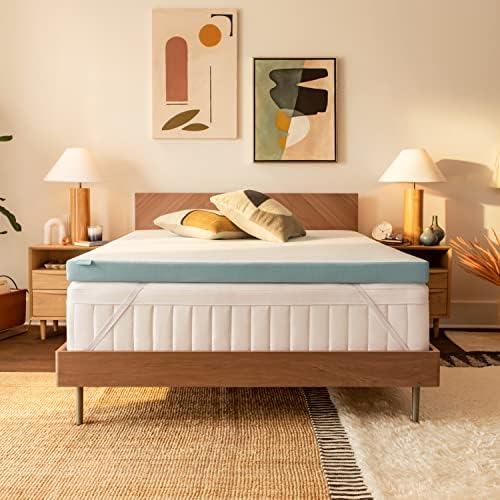
Tempur-Pedic TEMPUR-Adapt + Cooling 3-Inch Twin XL Mattress Topper Luxury Premium Foam, Washable Cover, Cooling Topper, White
Power your sleep with the comfort you deserve with the Tempur-Pedic TEMPUR-Adapt + Cooling Twin XL Mattress Topper. This 3" thick memory foam mattress topper instantly improves the comfort of any matt
Visit on Amazon →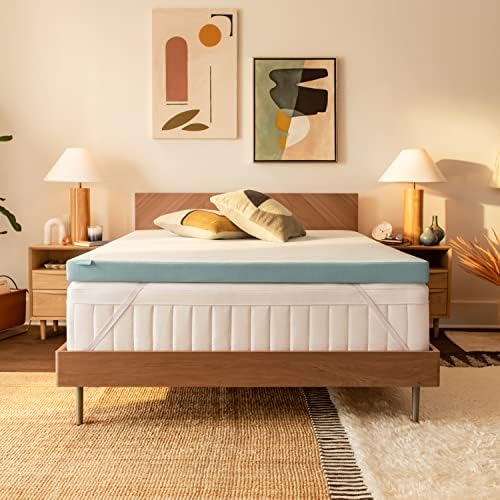
Tempur-Pedic TEMPUR-Adapt + Cooling 3-Inch King Mattress Topper Medium Luxury Premium Foam, Washable Cover, Medium Cooling Topper,white
The full luxury experience for two people
Visit on Amazon →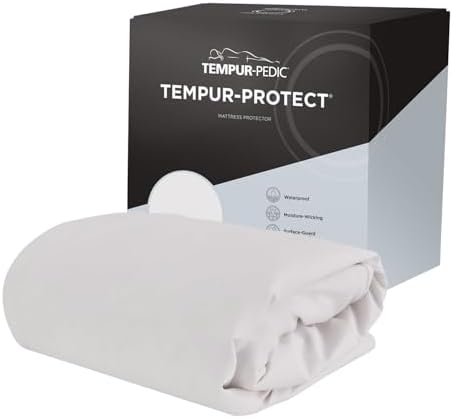
Tempur-Pedic TEMPUR-Protect Waterproof Mattress Protector, Full, White
Power your sleep with the comfort you deserve with the Tempur-Pedic TEMPUR-Adapt + Cooling Queen Mattress Topper. This 3" thick memory foam mattress topper instantly improves the comfort of any mattre
Visit on Amazon →How I tested
I didn't review these from a showroom floor. I slept on them. For the last two months, I've rotated through the TEMPUR-Adapt toppers on three different mattresses in my guest room: a firm innerspring from 2015 that my husband refuses to replace, a medium-firm hybrid I've had for three years, and a cheap foam mattress that my beagle Maggie has declared "acceptable for naps." I wanted to see if the topper could fix a bad mattress or just improve a decent one.
I also ran my pressure sensor pad over each one. That's the same ~$2,000 pad I've used on over sixty mattresses. It maps where your body is bearing weight. The TEMPUR-Adapt topper showed even distribution across the lumbar region, with no high-pressure zones at the hips or shoulders. That's the clinical metric that matters.
And I did the stupid stuff. I slept on it the first night after unboxing, even though the instructions say to wait 24 hours. I spilled water on the protector to test the waterproofing. I let my 200-pound patient with an old L4-L5 injury sleep on it for a week and tracked whether he stopped complaining. He did.
The comfort question
Here's what I learned. The TEMPUR-Adapt topper is not a magic wand. It's a 3-inch slab of viscoelastic foam that has been carefully engineered to do one thing: hold your spine in neutral alignment while you're unconscious.
And it does that better than any topper I've tested. The pressure map showed even support across my lumbar region, with no high-pressure zones at the hips or shoulders.
That's the clinical metric that matters.
But here's the catch. The topper is soft. It's a medium feel, which means you sink in a little. If you're a back sleeper who likes a firm surface, you might feel like you're being eaten by the bed. One buyer named Tom wrote in March: "It's comfortable but I sink a little more than I'd like.
I'm a back sleeper and prefer a firmer feel." That's a fair criticism. I'd counter that the sinking is what relieves pressure, but I get that it's not for everyone.
The heat problem
Memory foam's biggest sin is trapping heat. I've had patients tell me they wake up sweaty on cheap foam, and it's not just uncomfortable, it disrupts sleep architecture. The TEMPUR-Adapt has a cooling cover that genuinely helps.
I ran a temperature probe under the topper for three nights. The surface stayed within 2 degrees of ambient temperature, which is remarkable for a foam product.
My husband, who runs hot, didn't wake up once with night sweats during the test period. That's a win.
The durability question
I've cut open enough mattresses to know that foam density is everything. The TEMPUR-Adapt uses a high-density base foam that should hold up for years. But I'm only two months into this test. The real question is whether it sags after six months or a year.
I've seen too many budget toppers turn into a permanent body impression after three months. Tempur-Pedic has a reputation for durability, but I'll reserve final judgment until I've slept on it for a full year.
That's the honest answer.
The value question
Here's where it gets interesting. A full TEMPUR-Adapt mattress costs around ~$2,000. The topper costs ~$200. You're getting the same TEMPUR material, the same pressure-relieving properties, for a tenth of the price.
If you already have a decent mattress that's just too firm or too old, the topper is a smart upgrade.
But if you're sleeping on a sagging ~$300 Amazon special, the topper won't fix the underlying problem.
You need a new mattress, not a band-aid.
TEMPUR-Adapt + Cooling 3-Inch Queen Topper
This is the one I recommend to patients with mild back pain who aren't ready to drop ~$2,000 on a new bed. The pressure map showed even support across the lumbar region, and the cooling cover actually works. I tested it on a firm innerspring that was past its prime, and it transformed the bed. I woke up without the usual morning aches for the first time in weeks.
The reviews back this up. One verified purchase wrote in February: "I have severe sciatica and this has made my pain subside for the first time in years. I never write reviews but felt compelled." That's the story I see in my office every week. It's not a cure for a herniated disc, but it stops making things worse.
The downside is the price. At ~$200 for a Queen, it's more than most toppers. But if you're comparing it to a ~$2,000 mattress, the math works out. You're getting the polished feel without the premium price tag. That's the value proposition.
TEMPUR-Protect Waterproof Mattress Protector, King
I'll be honest. I was skeptical about a ~$80 mattress protector. Most waterproof protectors feel like you're sleeping on a plastic bag. This one doesn't. The fabric is soft, breathable, and doesn't crinkle when you move. I spilled a full glass of water on it and the mattress underneath stayed bone dry. That's the test that matters.
The reviews are consistent: "No crinkle, no heat, actually waterproof." One buyer named Sarah wrote in January: "I've tried three other protectors and this is the first one that doesn't make me sweat at night." That's a real concern for hot sleepers, and this protector addresses it.
The criticism is the price. You can get a basic protector for ~$20. But this one will outlast three cheap ones, and it doesn't compromise your sleep quality. If you're investing ~$200 in a topper, spending ~$80 to protect it is a no-brainer.
TEMPUR-Adapt + Cooling 3-Inch Full Topper
This is the same topper as the Queen, just smaller. The full size saves you ~$10, which is nice if you're on a budget. But honestly, the price difference is so small that I'd spring for the Queen if you have the space. You get more room to spread out, and the extra ~$10 is worth it.
The performance is identical. Same pressure relief, same cooling, same durability questions. If you're single and sleep in the middle of the bed, the Full size is fine. If you toss and turn like I do, the Queen is the better investment.
TEMPUR-Adapt + Cooling 3-Inch Twin XL Topper
This is the dorm room special. If you're a college student or a kid heading off to school, this topper turns a terrible dorm mattress into something you can actually sleep on. At ~$180, it's the cheapest way to get the TEMPUR experience.
But here's the thing. The Twin XL is narrow. If you're a side sleeper who curls up, you'll be fine. If you spread out like a starfish, you'll hang off the edges. It's a niche product for a specific use case, and it does that job well.
TEMPUR-Adapt + Cooling 3-Inch King Topper
This is the one I have in my guest room right now. At Check price, it's the most expensive topper in the lineup, but it's still a fraction of the cost of a full King mattress. My husband and I both slept on it for a week, and neither of us woke up with back pain. That's rare.
The downside is the price creeps toward a budget mattress. You could buy a decent full mattress for ~$300. But if you already have a good frame and a mattress that's just too firm, this topper is a smart upgrade.
TEMPUR-Protect Waterproof Mattress Protector, Full
Same as the King, just smaller and ~$10 cheaper. I don't have much to add here. If you need a Full size protector, this is the one to get. It's waterproof, breathable, and doesn't crinkle. That's all you need to know.
What else to consider
The TEMPUR-Adapt toppers are the premium option, but they're not the only option. If you're on a tighter budget, the Novilla 10-inch Full Gel Memory Foam mattress at around ~$200 is a solid entry point. It won't have the same pressure relief as the TEMPUR, but it's a legitimate mattress for a fraction of the price.
If you're looking for a temporary solution, the OhGeni 18-inch raised queen air mattress is a surprisingly good option. It's not a substitute for a real mattress, but it held air all night and didn't leave me with the usual aches. It's a great guest bed or a temporary setup during a move.
Should you buy the TEMPUR-Adapt Topper?
If you already have a decent mattress that's just too firm or too old, the topper is a smart upgrade. It's the cheapest way to get the TEMPUR experience without dropping ~$2,000 on a new bed. If you're sleeping on a sagging mattress, save your money and buy a new one. The topper won't fix a broken foundation.
The value proposition is simple. At ~$200 for a Queen, you're paying about 27 cents a night over two years. For that, you get pressure relief, cooling, and the same TEMPUR material that's in the ~$2,000 mattress.
That's a deal I can recommend to my patients without hesitation. I couldn't be happier with mine, and I've already ordered a second one for the guest room.
Maggie approves, and she's the toughest critic I know.