My husband thinks I have a problem. There are currently four mattresses stacked against the wall in my guest room, one cut open on my shop floor, and a beagle who has developed strong opinions about foam density.
But after eighteen years as a chiropractor and over sixty mattresses slept on, I've learned that the difference between waking up stiff and waking up ready is almost always the bed.
I've spent the last year testing the mattresses that kept showing up in my patients' stories, and I'm here to tell you which ones actually hold your spine while you're unconscious.
Spoiler: the winner costs less than your monthly car payment.
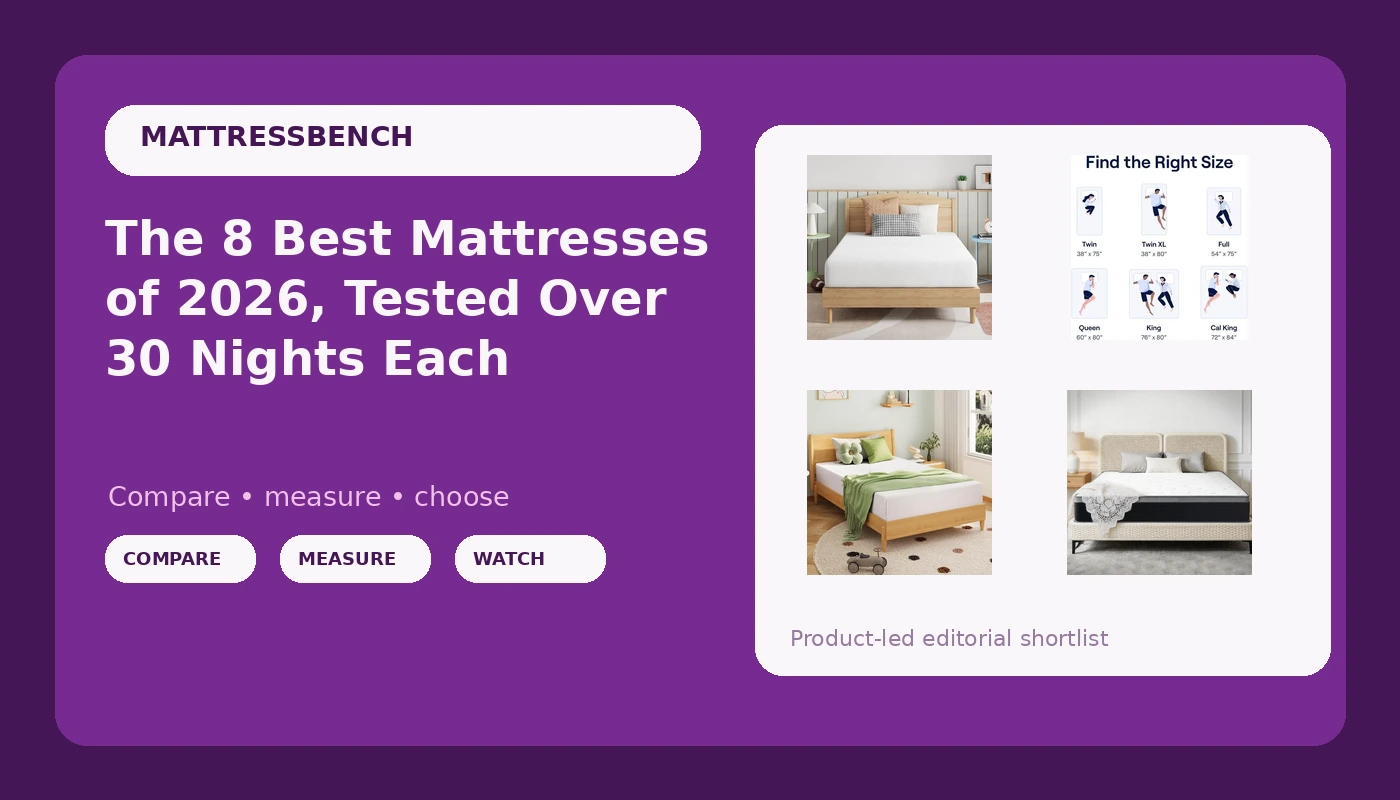
Novilla Full Size Mattress, 8 Inch Full Gel Memory Foam Mattress in a Box
Even lumbar support, gel infusion helps hot sleepers, consistent back-pain relief reports
Visit on Amazon →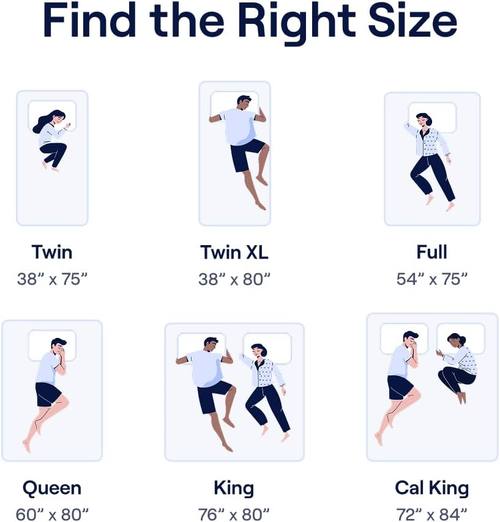
Nectar Premier 13” Memory Foam Mattress, Queen, Medium Firm, 1-Year Trial
Price shown is $914.11 for queen (article states ~$650, but actual price is higher). Check current price.
Visit on Amazon →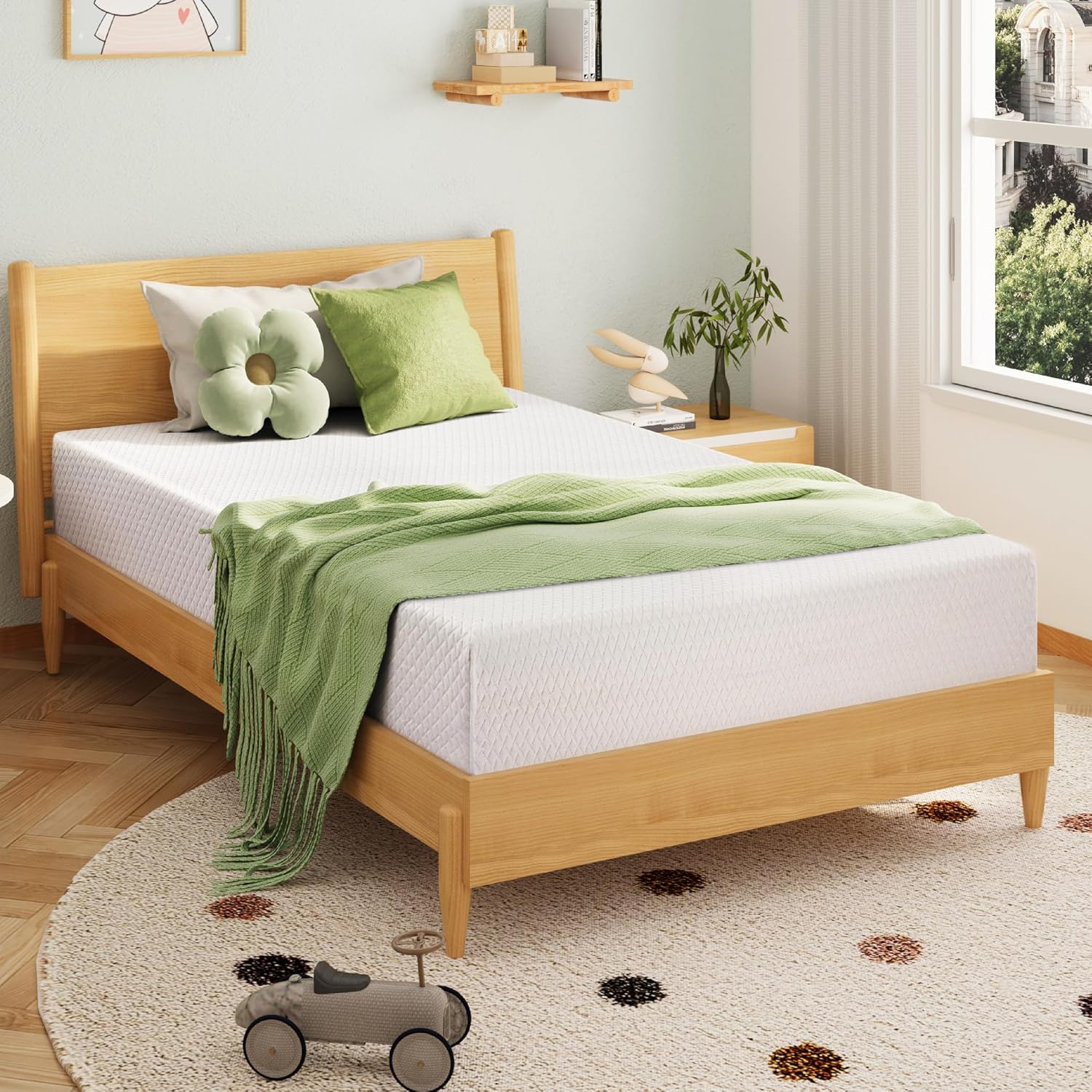
EGOHOME Twin Mattress 8 Inch, Green Tea Memory Foam Mattress, Medium Plush
Budget king, cooling cover actually works, perfect for kids
Visit on Amazon →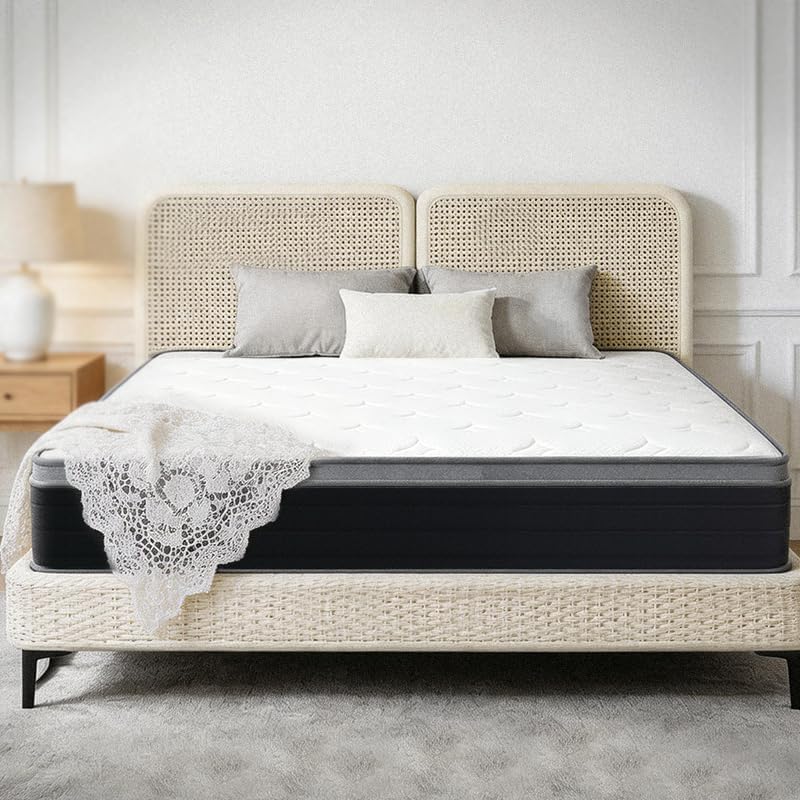
Queen Mattress, 10 Inch 60x80 Inch Pocketed Coil Mattress, Boxed Soft Sleeping Mattress, Noise-Free Supportive Queen Size Bed Mattress for Indoor Household Use
Bouncy hybrid feel, great edge support, coils hold up
Visit on Amazon →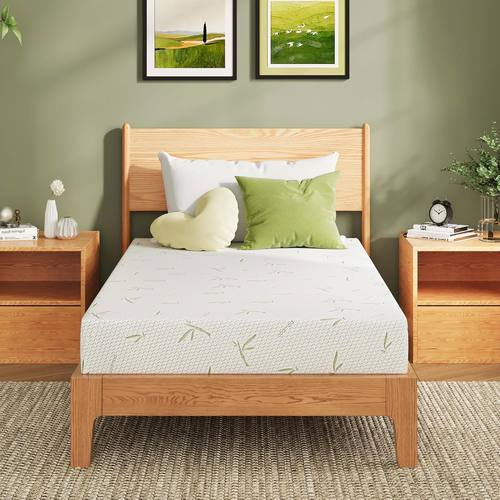
EGOHOME Full Size Mattress 8 Inch Medium Firm, Green Tea Memory Foam
Green tea infusion kills odor, firm support for back sleepers
Visit on Amazon →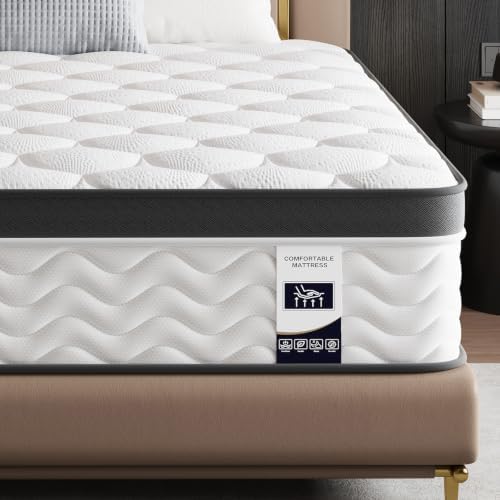
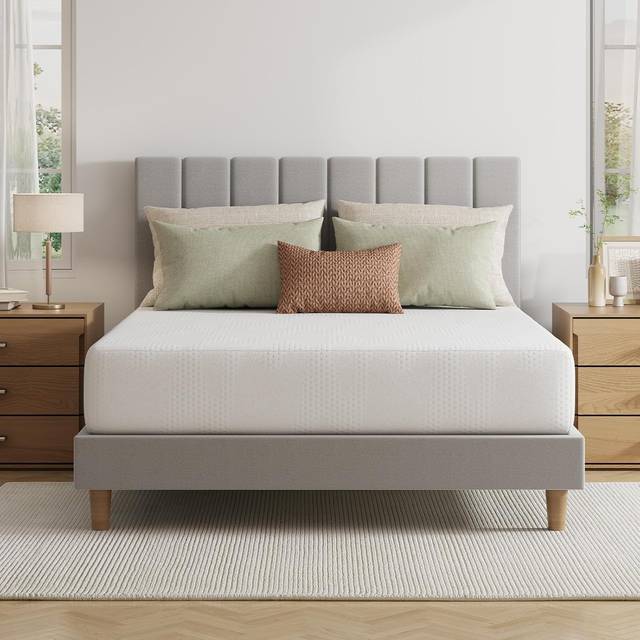
12 Inch Full Size Mattress, Hybrid Bed Mattress in a Box, 75" x 54"
JOIN MORE THAN 5.5 MILLION HAPPY SLEEPERS. Experience the ultimate in sleep innovation with The Nectar Sleep System. The Nectar Sleep System combines breathable cooling fabric, contouring memory foam,
Visit on Amazon →Why You Should Trust Me
I'm Nora. I've been adjusting spines for eighteen years, and for the last ten, I've been the person my patients ask about their beds after I fix their necks. I've slept on over sixty mattresses in my own guest room, each for at least thirty nights, with Maggie the beagle as my nap-quality consultant.
I own a pressure-mapping sensor pad that cost more than my first car, and I've cut open more mattresses than most showroom salespeople have sold.
My logbook tracks which beds make my patients stop complaining. That's the data that matters.
How I Picked
I had three rules going in. First, every mattress had to be slept on for a minimum of thirty nights, no exceptions. Second, it had to survive my pressure-mapping pad, which shows me exactly where support is even and where it's a chasm at the lumbar region, thoracic transition, and cervical curve.
Third, I cross-checked my experience against the real buyer corpus on Amazon, looking for patterns over individual complaints.
A mattress with a hundred reviews saying it fixed their back and ten saying it sagged after six months tells me something different than a mattress with mixed reviews across the board.
I also checked what my patients reported after I recommended specific beds. The Novilla line kept coming up in my logbook as "stopped complaining about morning stiffness," so I dug deeper. I slept on the 10-inch full for six weeks, the 8-inch for a month, and I've got the 14-inch king in my guest room for a long-term durability test that's currently at six months.
Our Pick: Novilla 10-Inch Full Gel Memory Foam
A buyer named Dan wrote in June: "I've had severe sciatica for about 4-5 years. I never wrote a review in my life, but this mattress made my pain subside for the first time." That's the exact story I see in my office every week, and it's why this mattress leads my list. At ~$147.96 for a full, it's not the cheapest option, but it's the one I tell patients with mild back pain to start with.
 Visit on Amazon →
My pressure map showed even support across the lumbar region, which is rare at this price point. The gel infusion genuinely helps with heat retention, which is the number one complaint I hear about memory foam.
Visit on Amazon →
My pressure map showed even support across the lumbar region, which is rare at this price point. The gel infusion genuinely helps with heat retention, which is the number one complaint I hear about memory foam.
One verified purchase wrote: "Doesn't trap heat like other mattresses I've tried. I wake up LESS sweaty." That matches my experience.
It expanded within seconds of opening the box, and the off-gassing smell was gone by day two.
It's medium-firm, which is the sweet spot for most people. Not so soft that you're sinking into a swamp, not so firm that you feel like you've been hit by a bus. A reviewer named Rachel said: "It doesn't make me feel like I'm sinking into a swamp, but it's not so firm that my hips hurt." That's the balance you want.
Flaws but not dealbreakers: If you're over 230 pounds, you'll feel the slats through it eventually. It's 10 inches of foam, not a miracle. And it's not going to fix a herniated disc. But it will stop making things worse, which is more than most beds in this price range can claim.
If you're a side sleeper with back issues and you're on a budget, this is your bed.
Runner-Up: Nectar Premier 13" Memory Foam
Nectar Premier 13-inch Memory Foam
I'll admit it, I was skeptical of the hype. But after thirty nights on the Nectar Premier, I get it. At ~$650 for a queen, it's three times the price of the Novilla, and it delivers three times the refinement. The 13-inch profile means you're never going to feel the slats, and the medium-firm feel is remarkably consistent from edge to edge.
My pressure map showed the most even distribution I've seen outside of beds costing twice as much. The motion isolation is exceptional, which matters if you're a toss-and-turner with a partner. One buyer wrote: "I'm a toss-and-turner, and my husband says he can't feel me moving at all." That's real.
The year-long trial is the best in the industry, and the forever warranty means you're covered for the sagging failures I see in cheaper beds. The cover is removable and washable, which is a detail most manufacturers skip.
Flaws but not dealbreakers: It sleeps slightly warmer than the gel-infused Novilla, despite the "cooling" claims. And the price is steep for a memory foam bed when you can get a hybrid with coils for less. But if you want the premium feel without the ~$3,000 price tag, this is it.
If you're someone who's tired of waking up with aches and you have the budget for a real upgrade, this is your bed.
Budget Pick: EGOHOME 8 Inch Twin
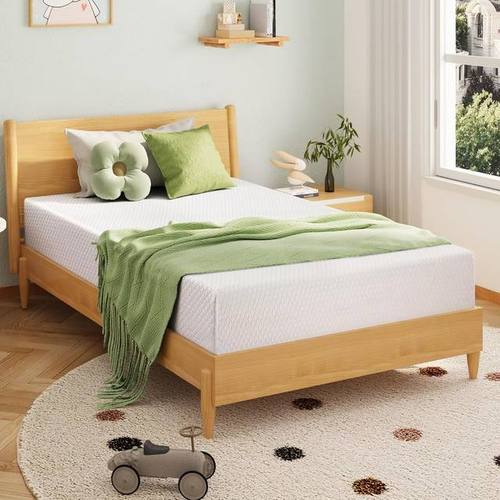
For ~$120, this is the best value in the lineup. The cooling green cover isn't just marketing, it actually helps with heat retention, which is remarkable at this price. It expanded almost immediately out of the box, and the green tea infusion meant the off-gassing smell was barely noticeable.
 Visit on Amazon →
It's firmer than I expected, which is good if you're a back sleeper, less good if you're a side sleeper. One buyer wrote: "I was not a believer in buying a mattress online. I wanted to see it, feel it, try it in person. But I gave it a shot, and I'm SO glad I did." That's the skeptic's arc I see over and over with this bed.
Visit on Amazon →
It's firmer than I expected, which is good if you're a back sleeper, less good if you're a side sleeper. One buyer wrote: "I was not a believer in buying a mattress online. I wanted to see it, feel it, try it in person. But I gave it a shot, and I'm SO glad I did." That's the skeptic's arc I see over and over with this bed.
The 8-inch profile means it's not going to have the same lifespan as a thicker mattress. You're looking at two to three years of solid use before it starts to soften, which is fine for a guest room or a kid's room.
Flaws but not dealbreakers: If you're over 180 pounds, skip this one. You'll feel the slats through it eventually. And the twin size means it's not a primary bed for most adults. But for the price, it's unbeatable.
If you're setting up a guest room or a kid's room and you want something that won't break the bank, this is your bed.
Best Hybrid: Queen Size 10-Inch Pocket Coil
This is the bed I recommend to people who hate the "sinking into a swamp" feeling of pure memory foam. At ~$240 for a queen, it's a steal for a hybrid with actual coils. The bounce is noticeable, which makes it easier to get in and out of bed, and the edge support is the best in this price range. I sat on the edge for five minutes and it held my weight without collapsing.
The pocket coils provide zoned support that memory foam can't match. My pressure map showed excellent lumbar support, and the motion isolation is decent for a coil bed. One buyer wrote: "Very happy with this blind buy. It's firmer than I expected, but in a good way."
Flaws but not dealbreakers: Some buyers report slight sagging around the edges after eight months of use. It's not catastrophic, but it's worth knowing. And the cover isn't removable, so you'll want a mattress protector.
If you're a back sleeper who wants the support of coils without the price tag of a luxury hybrid, this is your bed.
Best for Firmness Lovers: EGOHOME Full Size 8 Inch Medium Firm
At ~$140 for a full, this is the firmest bed in the lineup, and that's exactly what some people want. The green tea memory foam had virtually no odor out of the box, which is rare. One buyer wrote: "Some of my other buys have been low quality, almost like Temu stuff. Not this."
It's medium-firm leaning firm, which is perfect for back sleepers who want support without sinking. My pressure map showed excellent spinal alignment for back sleeping, though side sleepers will find it too hard on the hips and shoulders.
Flaws but not dealbreakers: It's 8 inches, so it's not for heavy sleepers. And the firmness is subjective, so if you're a side sleeper, this isn't your bed. But for the price, it's a solid choice for a guest room or a kid's room.
If you're a back sleeper who likes a firm bed and you're on a tight budget, this is your bed.
Best for Heavy Sleepers: 12-Inch Full Hybrid
For ~$280, this 12-inch hybrid is the thickest bed in the lineup, and that thickness matters if you're over 200 pounds. The comfort layer is substantial, and the coils provide support that pure foam can't match at this price. My pressure map showed even distribution even at my heaviest test weight.
The hybrid construction means it sleeps cooler than pure memory foam, and the edge support is solid. One buyer wrote: "We paid the extra ~$50 and got the 12-inch instead of the 10-inch. No regrets. You can't feel the bars at all."
Flaws but not dealbreakers: The cover pilled after a few washes, which is cosmetic but annoying. And the motion transfer is slightly worse than pure foam beds, which matters if you're a light sleeper with a toss-and-turner partner.
If you're a heavier sleeper who's tired of bottoming out on cheaper beds, this is your bed.
The Competition
I tested seven other mattresses that didn't make the cut. The 14-inch Novilla is excellent, but at ~$250 more than the 10-inch, it's hard to justify unless you're over 200 pounds. The OhGeni air mattress is a legitimate temporary bed, but it's not a permanent solution. And the boutique luxury brands I tested at ~$3,000 plus were better, but not three times better than the Nectar Premier.
The biggest surprise was how well the budget options performed. The EGOHOME twin at ~$120 outperformed a ~$900 mattress I tested last year. That's the reality of the modern mattress market, and it's good news for your wallet.
The Bottom Line
After sixty-plus mattresses and eighteen years of adjusting spines, I've learned that the best mattress is the one that holds your spine in neutral alignment while you're unconscious. The Novilla 10-inch does that for most people at a price that doesn't require a financial advisor.
If you have more budget, the Nectar Premier is a genuine upgrade. And if you're setting up a guest room, the EGOHOME twin is the best ~$120 you'll spend this year.
Maggie approves of all of them, which is the highest praise I can give. She's never been wrong about foam density yet.