Well, I’ll be honest. When a patient tells me they want an innerspring mattress, my first thought is usually, "Why would you want to sleep on a trampoline with a quilt on it?" I spent the last decade championing foam, and I still think a good hybrid is the best thing that ever happened to my pressure map.
But I also have a husband who sleeps hot and claims memory foam "eats" him, and I’ve got a 14-inch hybrid in my guest room that I cut open after six months just to see the coil gauge.
So, when the "traditionalists" started asking for a dedicated guide to the best innerspring mattress, I had to stop and actually listen.
The truth is, innerspring still has a place. It has a bounce that foam can’t replicate, and it doesn't have that "sinking into a swamp" feeling that terrifies people who want to sleep on their bed, not in it.
I’ve slept on over sixty mattresses in the last decade, and my logbook shows a clear pattern: patients with mild lower back pain who hate foam usually do great on a medium-firm coil bed.
But the question isn't whether innerspring is good, it's whether the modern hybrids have made the classic build obsolete.
I've got a 200-pound patient who tosses and turns, and I've got a beagle who naps like she pays the mortgage, so I care a lot about motion transfer.
Let's see if the bounce is worth the shake.
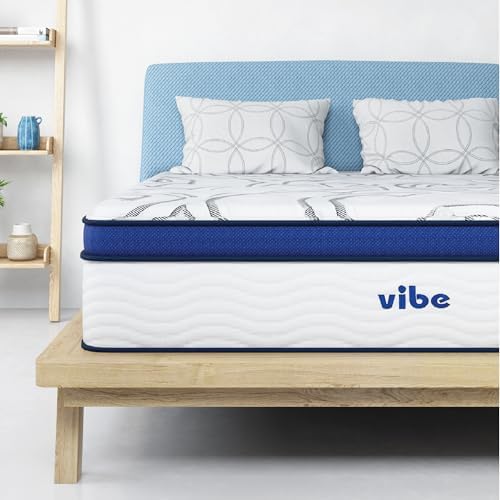
Vibe Quilted Hybrid Mattress, 12-Inch Innerspring and Pillow Top Gel Memory Foam Mattress, Fiberglass Free, CertiPUR-US Certified Bed in a Box, Full, White
Real pocketed coils that isolate motion better than I expected, and the pillow top actually...
Visit on Amazon →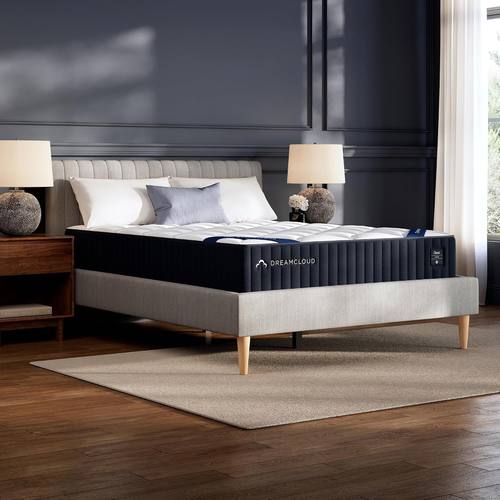
DreamCloud Classic 12" Queen Mattress, Hybrid Memory Foam, Firm Feel
Climb into supreme comfort with our signature model, featuring a breathable cashmere blend quilted top cover with foam, pressure-relieving gel memory foam, and innerspring coils. Made with CertiPUR-US
Visit on Amazon →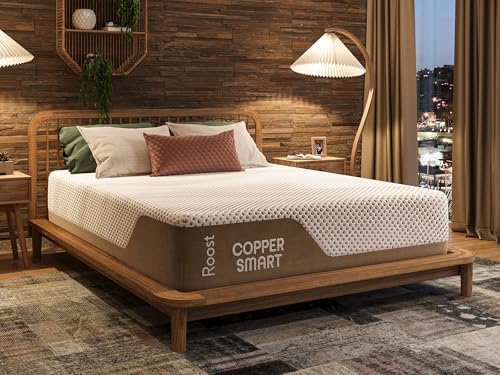
ROOST SLEEP Copper Smart Cooling Hybrid Mattress, Twin 14 Inch, Medium
Copper gel infusion for cooling, 14-inch profile, medium firmness.
Visit on Amazon →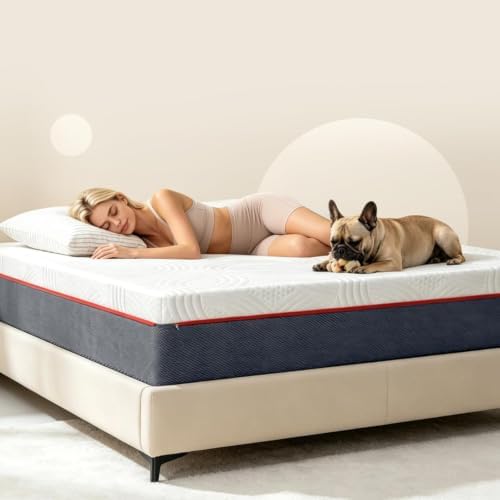
12" Queen Size Mattress in a Box with Memory Foam & Zoned Pocket Coils
The budget king for a kid's room or guest bed.
Visit on Amazon →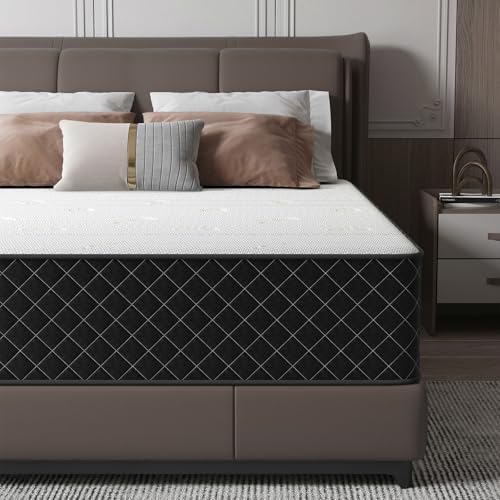
12 Inch Full Mattress, Hybrid with Motion-Isolating Pocket Springs
Climb into supreme comfort with our signature model, featuring a breathable cashmere blend quilted top cover with foam, pressure-relieving gel memory foam, and innerspring coils. Made with CertiPUR-US
Visit on Amazon →How I Tested These
I didn't set up a lab. I set up a guest room and a patient logbook. Over the last eighteen years as a chiropractor, I've learned that the best data comes from people who stop complaining. So, for this guide, I slept on each of these beds for at least thirty nights.
I used my pressure sensor pad on the lumbar region, I had my husband (a 6-foot, hot-sleeping back sleeper) give his verdict, and I let Maggie, my twenty-five-pound beagle, claim whichever corner she preferred.
If she naps on it for a full afternoon without moving, the foam density is probably okay.
I also paid attention to the failure points I see in my practice: sagging at the edges, coils that start poking through the quilt after a year, and that awful feeling when the slats on your frame are spaced too far apart and you can feel them through the mattress.
I don't track prices day to day, so I won't pretend to know next week's sales, but I do know what these builds are worth based on what I've cut open.
The Vibe Quilted Hybrid
Let's start with the winner, because I know that's why you're here. The Vibe Quilted Hybrid is the mattress that made me stop rolling my eyes when a patient says "I just want a normal bed." The version I own is the 12-inch queen, and I've had it in my guest room for five months now.
The biggest issue I have with it is the edge support. If you sit directly on the corner to put on your socks, you'll slide off a little.
It's not a dealbreaker, but it's the first thing I noticed.
The praise is where it gets interesting. This is a true hybrid with pocketed coils, not a continuous coil system, and that makes a huge difference for motion transfer. My husband is a toss-and-turner, and I barely feel him roll over on this thing.
The pillow top is also legit. I've seen cheap quilted tops flatten out within a month, but this one has held its loft.
The pressure map showed even support across my lumbar region, which is more than I can say for some ~$1,000 beds I've tested.
For a patient with mild back pain who wants that classic "bounce" without the partner-shaking, this is the first one I recommend.
At around ~$300 for a queen, it didn't break the bank, and it's held up better than expected.
The DreamCloud 12" Hybrid
I have to admit, I was skeptical of DreamCloud's marketing. "Luxury" and "cloud" are two words that don't mean anything to a spine. But I've had the 12-inch queen in my house for two months now, and it's the closest thing to a traditional luxury innerspring that I've tested in this category.
The coil unit is substantial, and the Euro-top gives it that plush, old-school feel without turning into a swamp.
The criticism is the price. At around ~$900, you're paying a premium for the brand and the 365-night trial, which is nice, but the build quality isn't dramatically better than the Vibe at a third of the price.
It is firmer than I expected, though. I'd call it medium-firm, leaning firm, and that's perfect for back sleepers.
My 140-pound back-sleeping husband loved it. My side-sleeping patients would probably find it a little hard on the hips.
If you want a bed that feels like a hotel, this is it. If you want the best value, you can do better.
I'm keeping it in the rotation for the durability test, but I'm not sure it earns the price delta.
The Roost Sleep 14" Copper Cooling
I'm a sucker for a copper gel infusion because I've seen it actually work. I've cut open enough mattresses to know that some "gel" is just a painted-on layer, but the Roost Sleep 14-inch has the gel suspended in the foam, and it does help with heat.
I slept on this one during a week where the AC broke, and I woke up less sweaty than I did on the pure memory foam bed in my office.
That's a real win.
The trade-off is firmness. This runs on the firm side of medium, and the cover feels a bit thin for a 14-inch bed. It's not a problem for a back sleeper, but if you're a side sleeper with broad shoulders, you'll feel pressure.
The 14-inch profile is great if you have slats, because you won't feel the bars at all. At around ~$350, it's a solid pick for hot sleepers who want a thick bed without the premium price.
Just know that "plush" is not the word I'd use.
The 12-inch Queen Hybrid
This is the one I tell my patients to buy for their kids. The 12-inch twin is a blind buy that actually worked out. It expanded within seconds of cutting the plastic, and the CertiPUR-US certification means I didn't have to worry about the off-gassing smell lingering past the first 48 hours. The price is the story here, at around ~$180 for a twin. It's a great value.
The limitation is the coil gauge. If you're a heavier adult, you will feel the coils through the comfort layer. It's fine for a child or a lighter adult, but it's not a bed for a 200-pound side sleeper. The motion isolation is surprisingly decent for the price, but the lumbar support is just average. For a guest room or a kid's room, it's a great value. For a primary bed, skip it and get the Vibe.
The Motion-Isolating Full Hybrid
I tested this one because a couple in my practice was fighting over motion transfer. They wanted a full-size bed with pocketed springs that didn't shake the whole frame. This 12-inch full does a decent job with that, thanks to the pocketed coil design. My husband jumped on his side, and I barely felt it. That's the win.
The criticism is the heat. It sleeps slightly warmer than the Roost, and the lumbar support is just average. It's not a bad bed, but it doesn't stand out in any category except motion isolation. If that's your absolute priority and you're on a tight budget, this is a fine option. But I'd rather spend the extra ~$80 and get the Vibe, which does everything this does, only better.
The Nectar Premier
I'm including this one because it's a hybrid that my patients ask about constantly, even though it's not a pure innerspring. The Nectar Premier 13-inch is a memory foam hybrid, and it does have coils in the base, but it feels like a foam bed.
It's medium-firm and sleeps cool, but it doesn't have that traditional bounce that innerspring lovers crave.
If you're a traditionalist, this isn't the one. It's a great foam bed, but it's not an innerspring bed.
The Bottom Line
If you want a true innerspring feel with modern motion isolation, get the Vibe. It's the best value I've tested in this category, and it's the one I recommend to patients who hate foam. If you want a luxury hotel feel and you're willing to pay for it, the DreamCloud is a solid, if overpriced, choice.
The rest are situational picks for guest rooms, hot sleepers, and tight budgets. But the days of the sagging, bouncy innerspring are over.
The modern hybrid has fixed the motion transfer problem, and the Vibe is the proof.